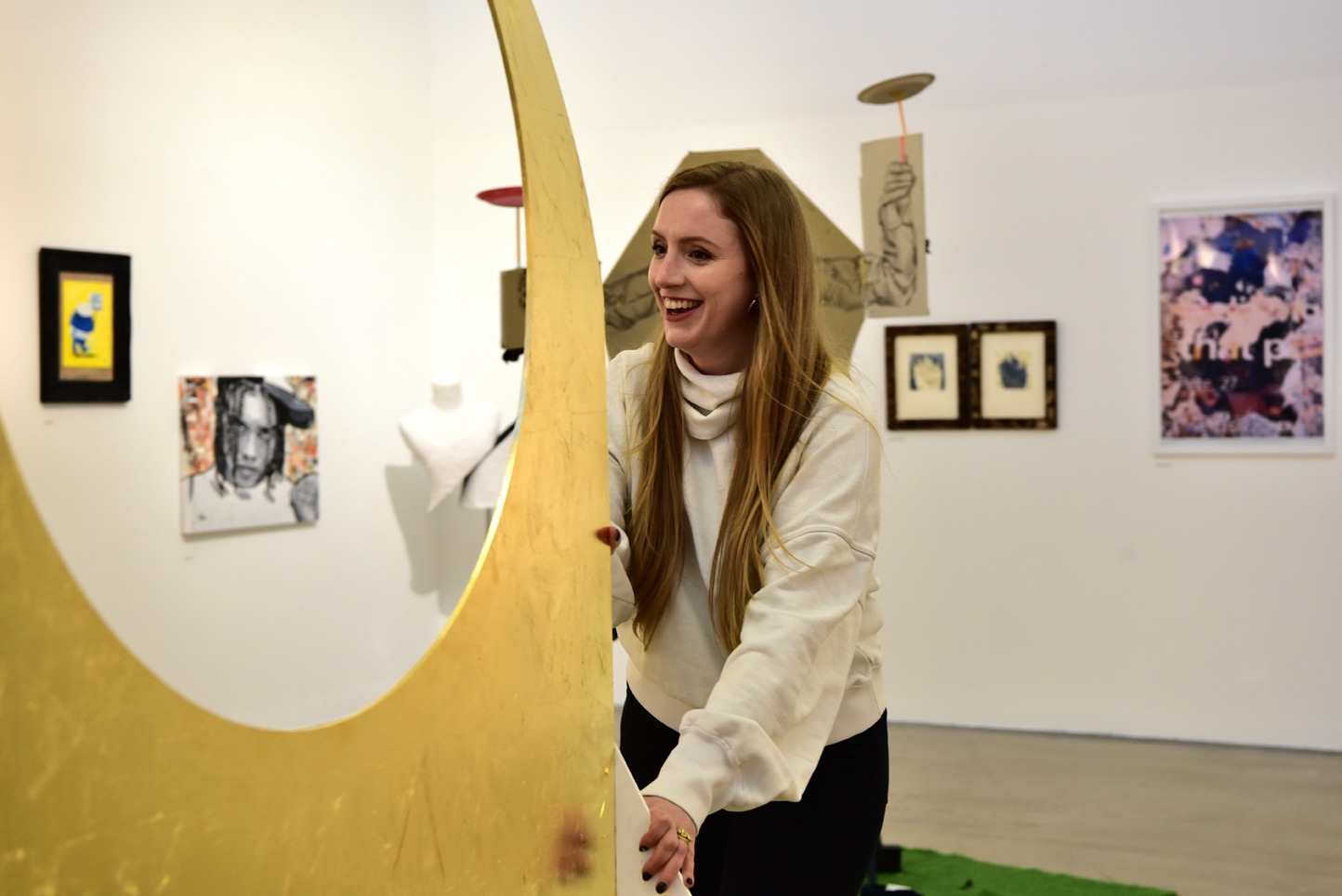



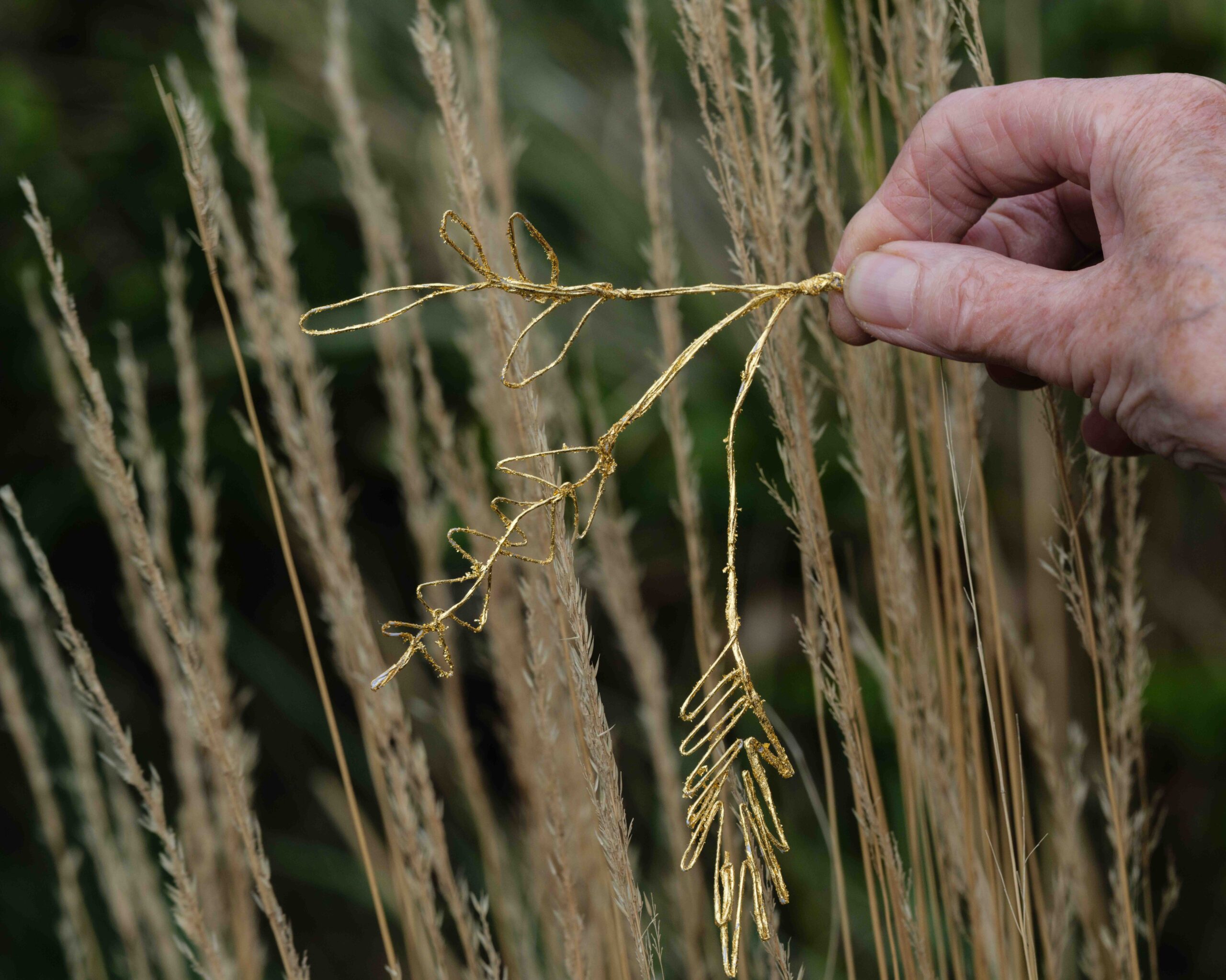
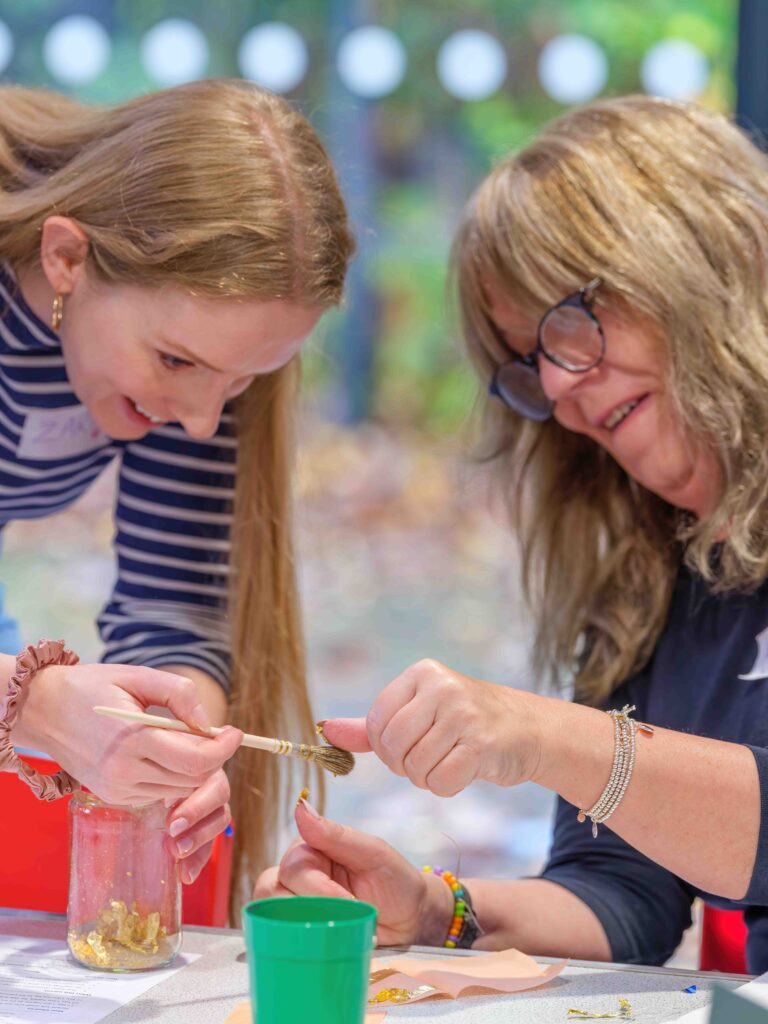
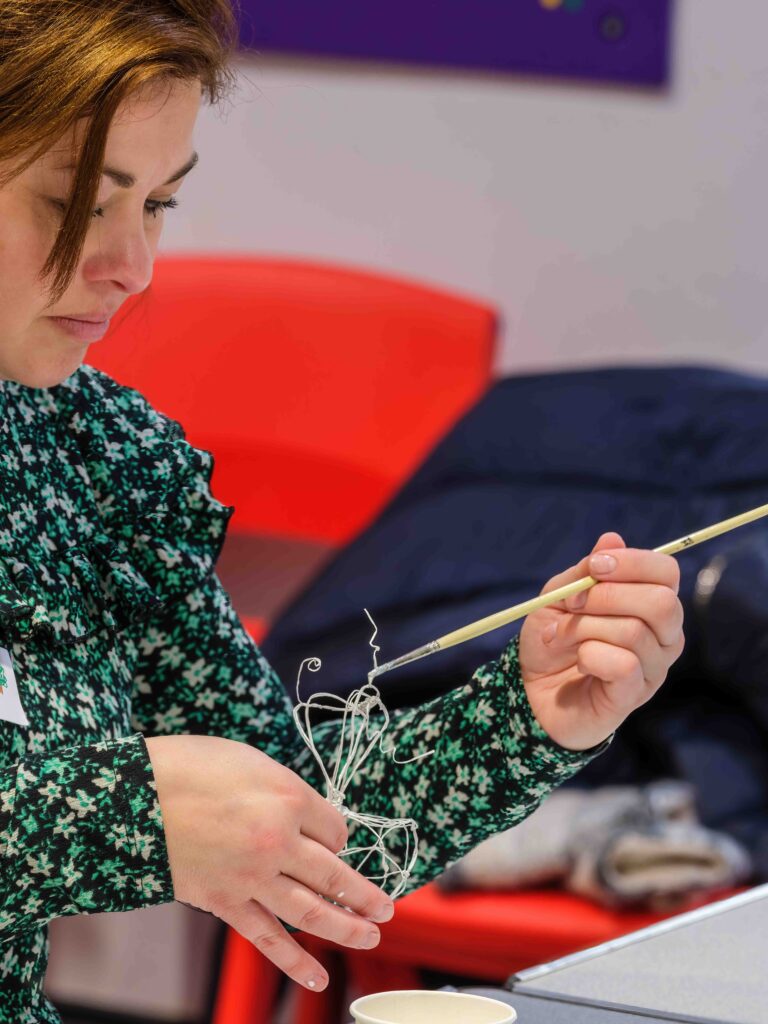
Small Pleasures, a Wild Imagining exhibition at Wharton Park, is the culmination of a unique community art and research project led by artist Zara Worth and Creativity Works, in collaboration with Durham County Council’s Parks and Countryside Team.
In workshops led by Zara, participants created miniature golden sculptures. Each tiny artwork reflects why Wharton Park is treasured by them, inspired by its landscapes, stories, and atmosphere.
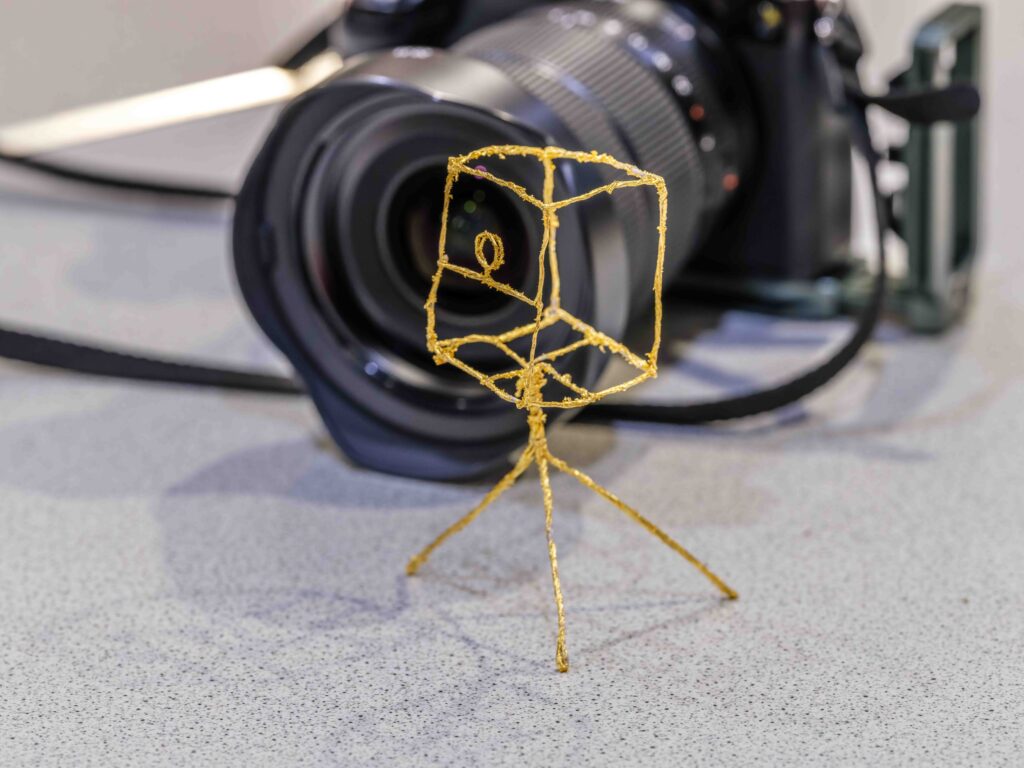
Photographer Richard Eyers documented the beautiful artworks and the stories behind each sculpture.
Small Pleasures Digital Exhibition

Dan Nicholls
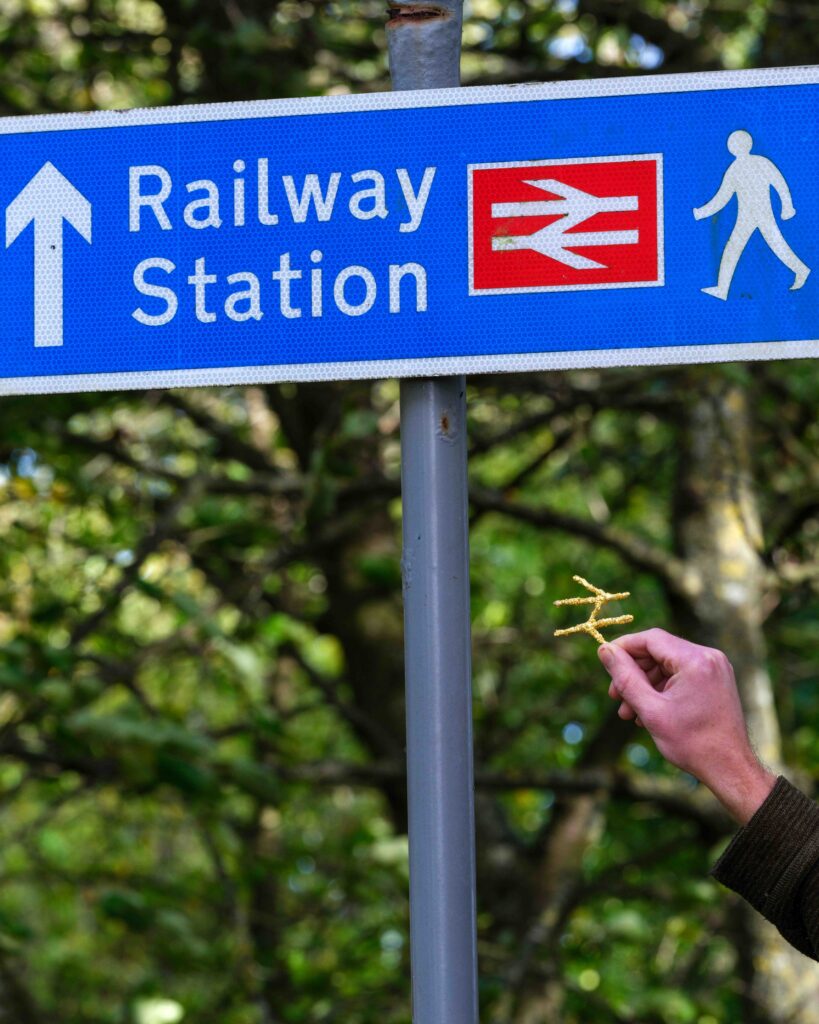
Trainspotters’ Paradise
The British Rail logo is famous all around the world since its introduction in the 1980s with the intercity trains. Wharton Park has it all, it’s got history, heritage, a connection to nature, it’s great for your mental health and it’s got incredible views, and for me, most importantly it’s an incredible trainspotting location. It’s somewhere I used to come to with my late father who grew up on Silver Street, and it’s now somewhere that I visit with my wife and our dogs, and where I still train spot today.
Kirsty White
Our Memories
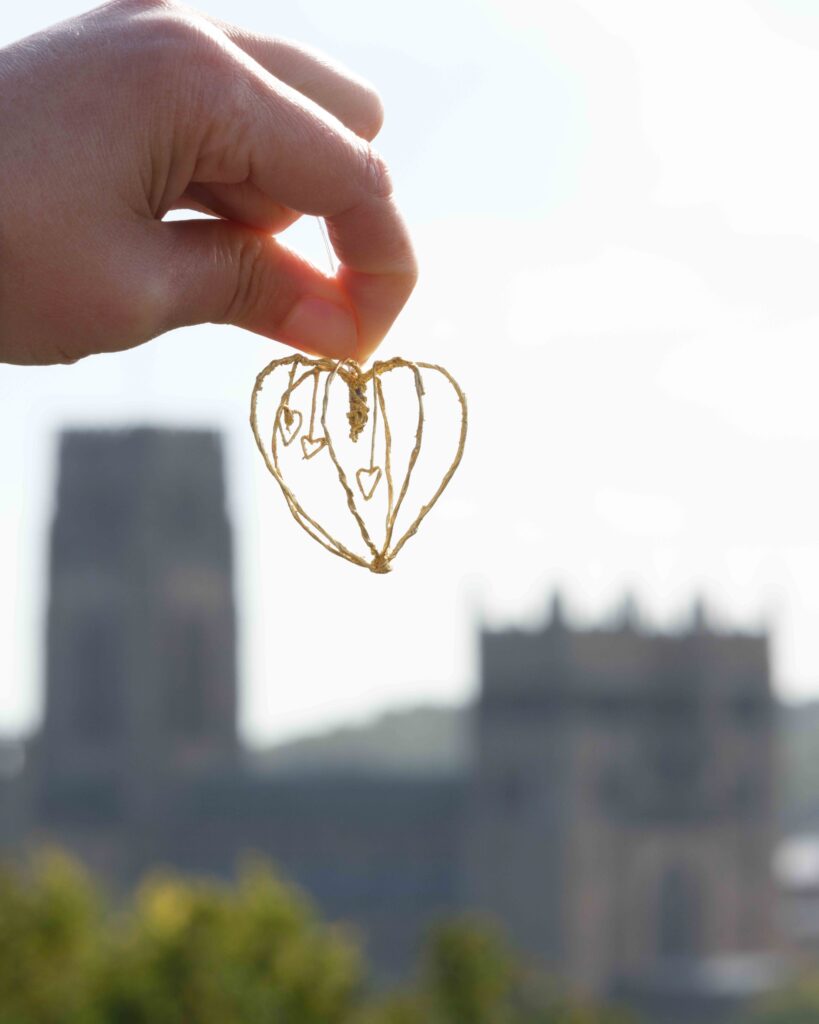
There are so many key moments throughout my life that the park has been a part of.
There’s a photo of my parents holding me at just two weeks old in the park, and I have fond memories of playing in the park with my sister as a kid – there’s so much to do and so many different zones that are like worlds within worlds.
When I was older and I’d met my boyfriend we would come to the park after work to watch the sunset. It was here that we got engaged, watching the sunset over the cathedral.
Twenty-five years later, we are married and bring
our little boy back to the same park that has, and
continues, to play an integral role in our lives.
Kristina
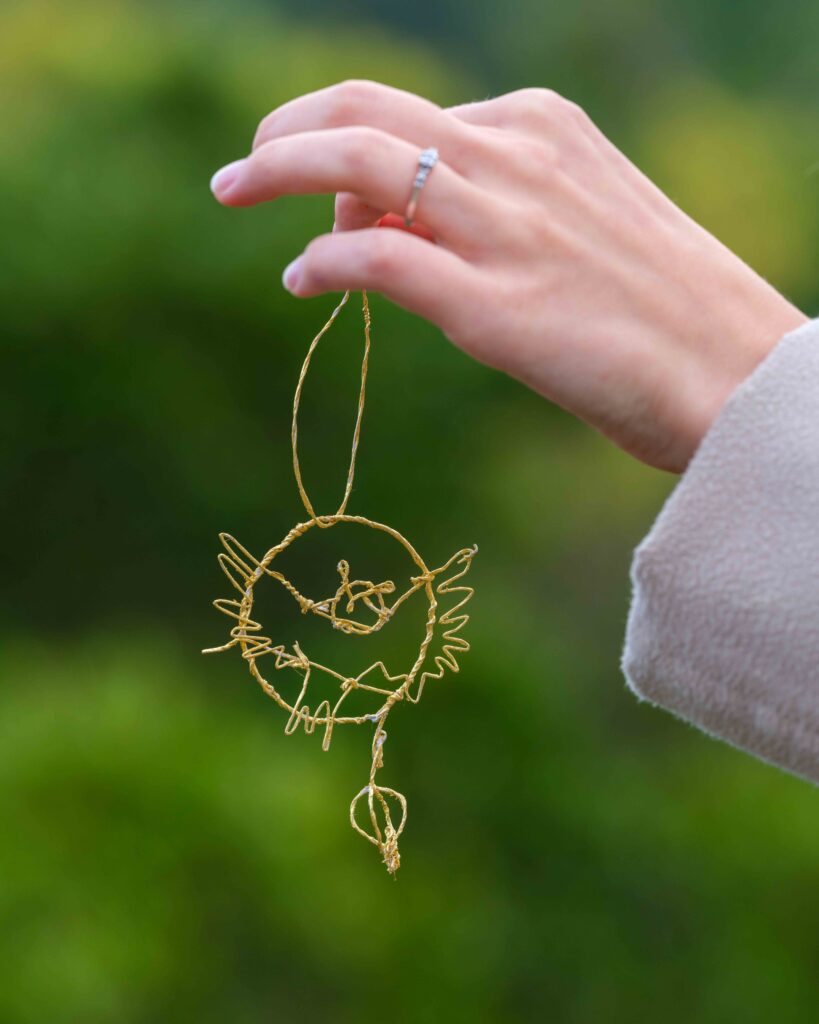
Moon Owl
My sculpture is a ‘moon owl’. It represents the feeling of mystery and beauty of being in the park during the evening with moonlit views of the cathedral and the sound of an owl nearby but unseen. Life is busy, but in the park, I can find silence away from the bustle of town and my University work, and listen to the birds singing and enjoy the tranquillity.
Kate Gair
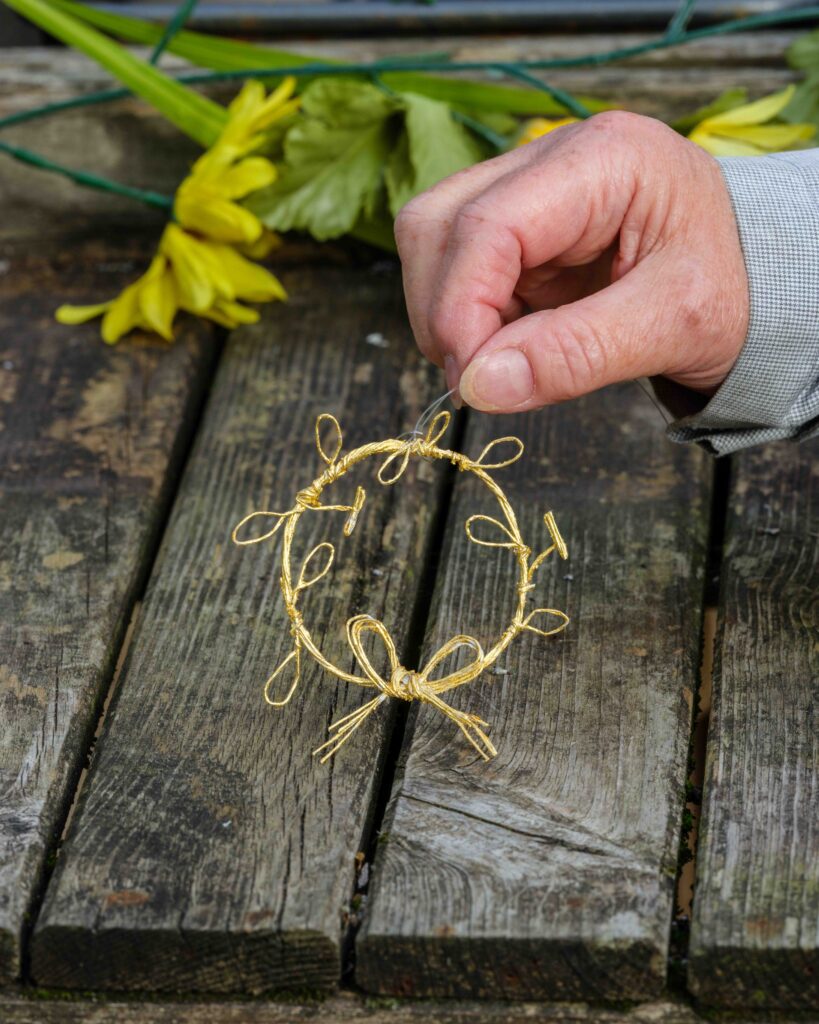
Community Wreath
Wharton Park means a lot to me. It is a place of friendship and memories of family outings with our children. I belong to the Friends of Wharton Park, which gives me a sense of doing something for the community whilst enjoying green open spaces and seeing the seasons changing.
As a group, we decided together in the middle of December to have a Christmas wreathmaking workshop just for us. One of our members is a very proficient flower arranger. She helped with the mechanics, and we all collected material beforehand. It was a lovely, cosy, friendly time. People get different experiences from the park. Some people come for a quiet reflective time in the quieter areas of
the park, some for picnics with friends, families come for the play areas. Students often come to join our group because they have gardened at home and they like to join in with what we are doing. It makes them feel at home.
Lindsay Archer
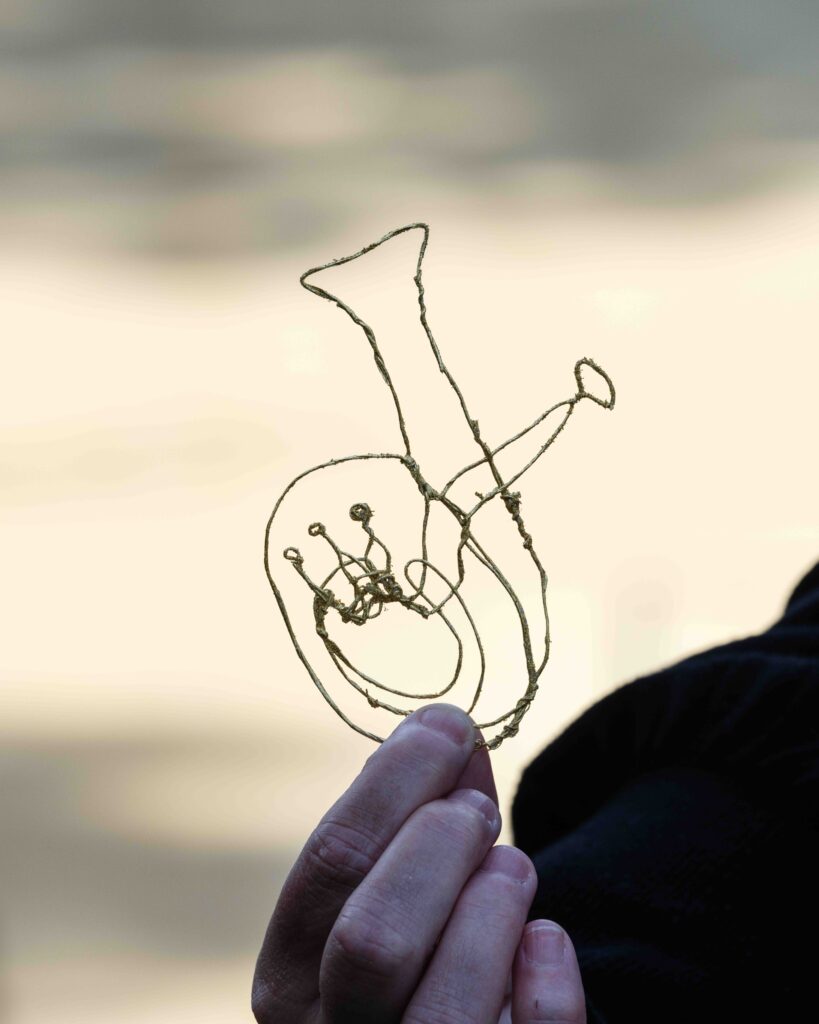
Elliot’s Tenor Horn
I have chosen to make a mini tenor horn. This represents my memories of my 12 year old performing in the Durham Brass Festival at Wharton Park. He has done this for the last few years which has made me very proud.
Watching his performances in the park’s amphitheatre every year has been amazing as a parent. The amphitheatre feels like the heart of the park.
I get so much from visiting parks and green spaces. They help my health and wellbeing by giving me spaces to walk quietly and connect to nature. Wharton Park is such an important historical place as well as a fantastic community space. Having such a beautiful park in the middle of the city is such an important asset for people living in the county.
Sammy
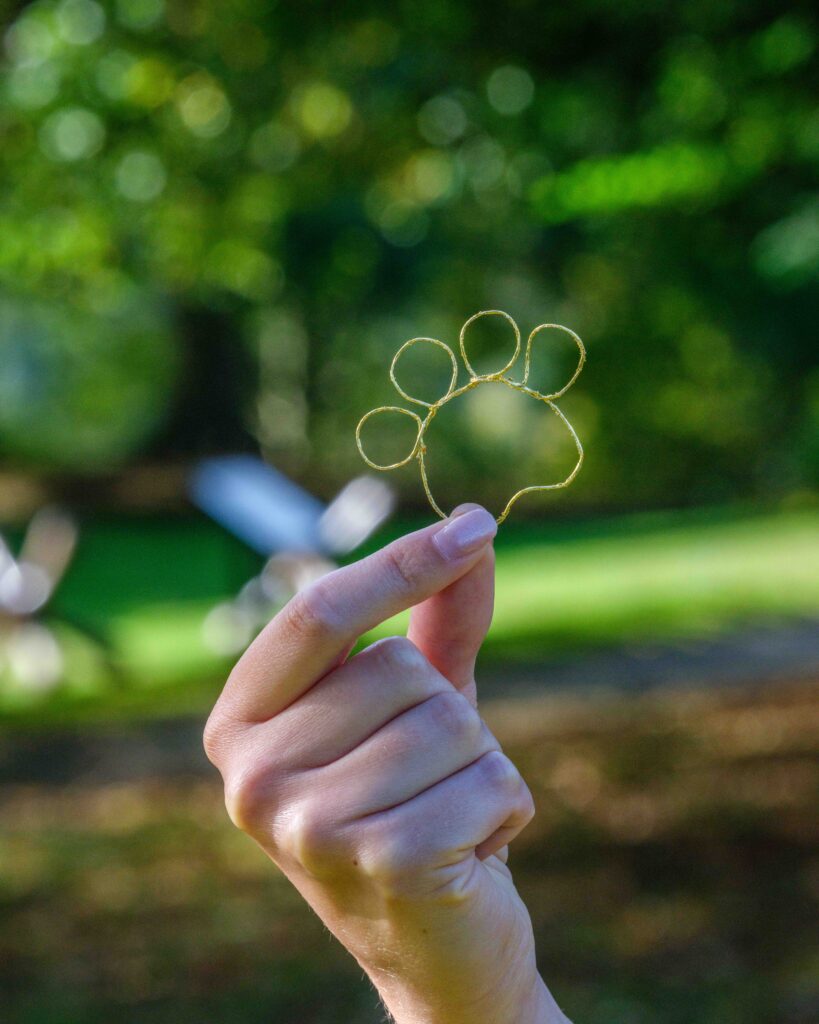
Reassuring Paw
This sculpture is in memory of our lovely cockapoo Chester. Wharton Park was the very first place we walked Chester when he was a puppy and we have so many memories of him here playing with his tennis ball, posing for photos and exploring the hills. Wharton Park was also the final place we chose to walk him after his long battle with cancer came to an end. Right to the end he was so happy here, still chasing his ball in the leaves and despite his illness he would always be the one to reassure us that everything
was going to be ok.
Kate
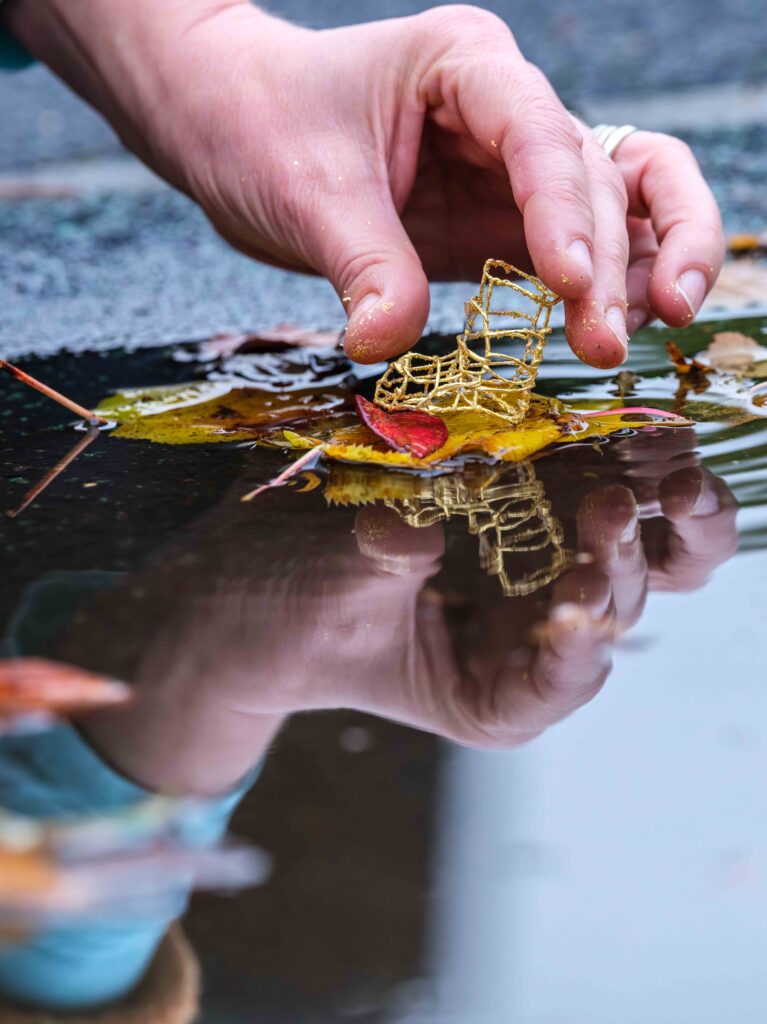
Welly
I’ve come to Wharton Park since I was a toddler and I have brought my own children too. I have vivid memories of bringing my twins here whatever the weather when they were toddlers. It was a safe space for them to play and explore, and created breathing space for me when I was struggling with parenthood. One day they were all bundled up in full wet weather gear and spent ages literally sat in a puddle, running their fingers through the mud and fallen leaves and splashing in the water, delighted with it and themselves.
Wharton Park is a space for both our physical and emotional needs.
A space for exploration.
A space for play.
A space to be alone.
A space to be together.
Space to think.
Space to be in the moment.
Space to be me: free and unjudged.
Lisa
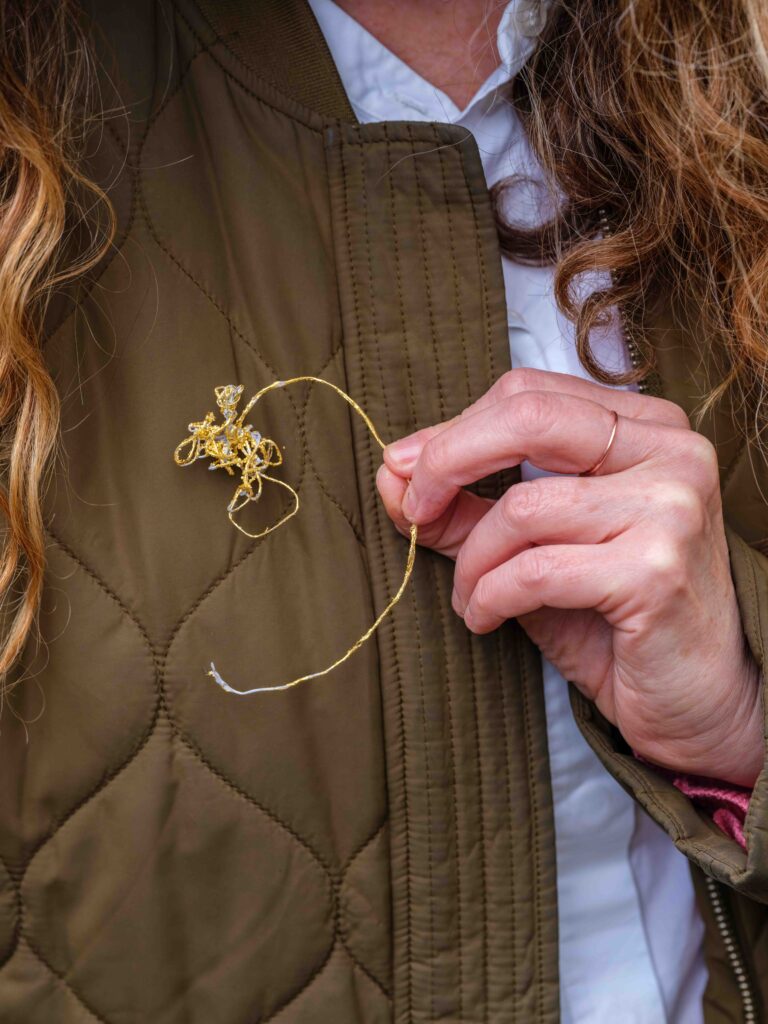
Snowberries
I’ve created an abstract sculpture based on the snowberries lining the steps and paths around the park. Green spaces in cities are very important. They provide a different atmosphere and space to escape. Green spaces like Wharton Park offer us peace, room to think and observe, and inspiration.
Betty Barnet Brown
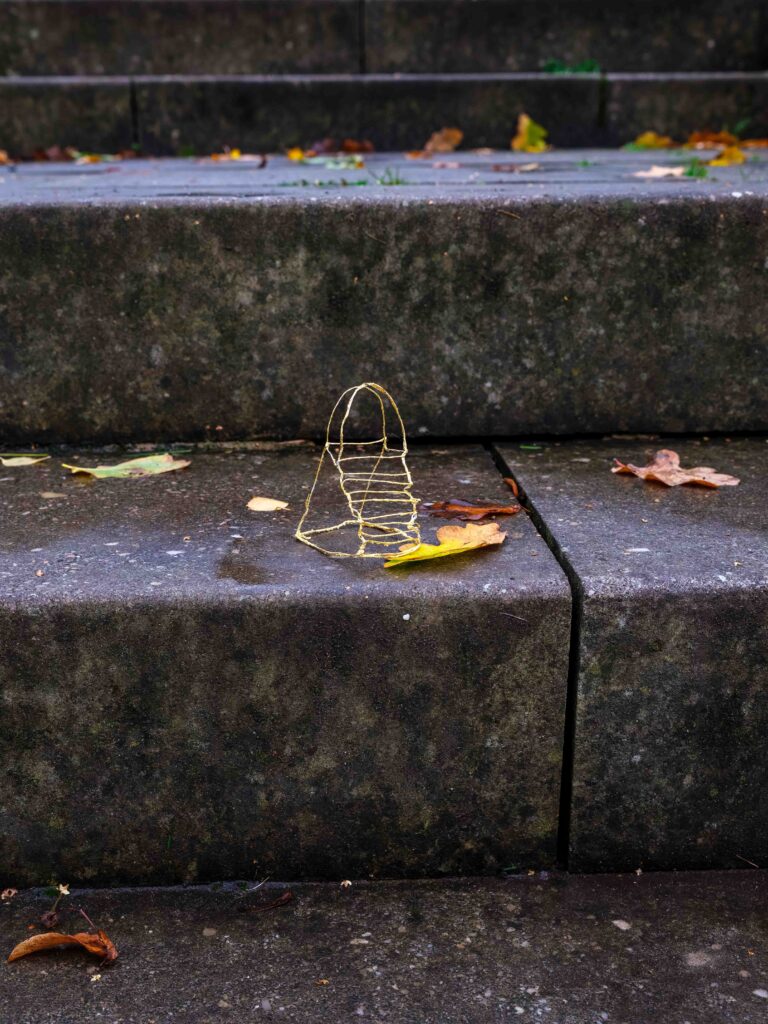
Steps and arch
Wharton Park is a series of dynamic spaces on a really steep site. It was the park I came to as a child. The defined spaces suggest stories and narrative as do the architectural features like slights of steps, crenelated little fortresses, and the amphitheatre, all of which inspired my sculpture along with the work of artist Do Ho Suh.
I love the contrast of a green space in the centre of an urban environment. Moreover, Wharton Park has a slight sense of urgency and desperation to make the most of a small, rather inappropriate space in the city centre. The result is an amazing and unique green space.
Dinah
Carefree (Umbrella)
My sculpture is of an umbrella. It is inspired by a photo of my daughter, aged five, in Wharton Park. She’s running with excitement and anticipation, towards the play area. The open umbrella is being trailed behind her.
Wharton Park is a beautiful community space and a place of fun, excitement, and calm for all ages. Green spaces like Wharton Park are great for general wellbeing, as well as being wonderful spaces to bring children and share in their delight being in the play areas or just running wild in a safe place.
Jane
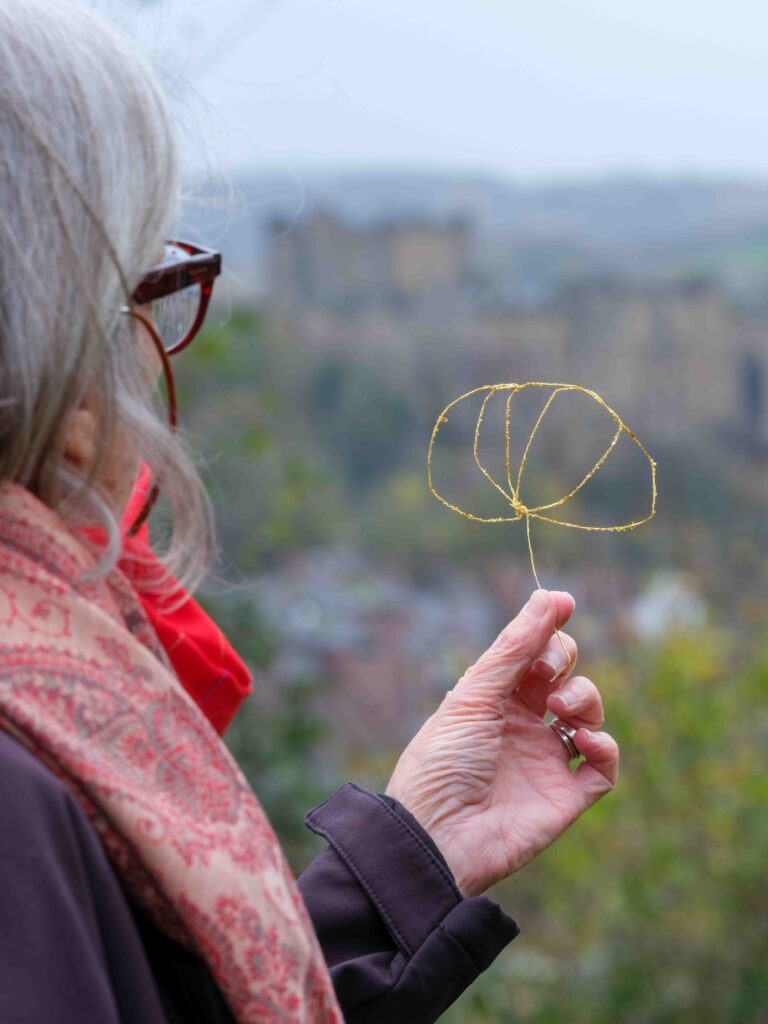
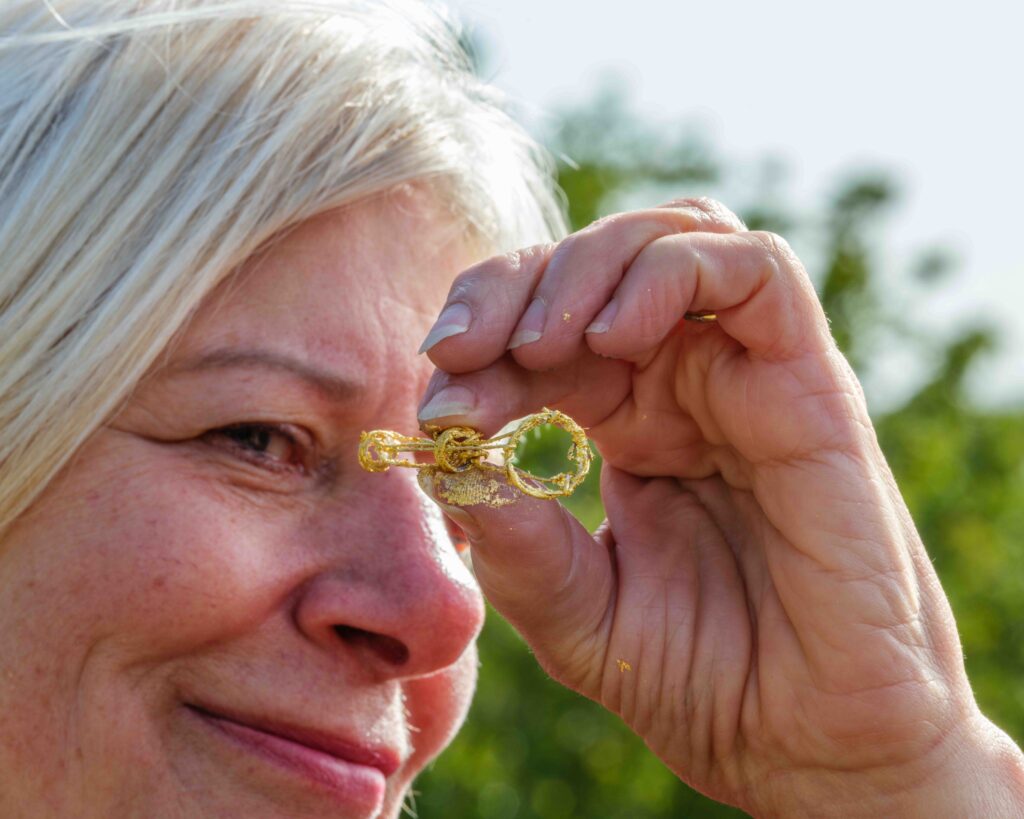
My Telescope
My sculpture is a telescope, a small tribute to the sense of adventure I discovered as a child in Wharton Park. In the 1960s, my dad and I would climb the hill together, winding our way up what seemed to me like a mountain, until we reached the top. From there, the City of Durham stretched out beneath us, with the cathedral rising majestically against the sky.
The telescope is my way of holding onto that feeling of looking outward, of exploring, of marvelling at the world
Roksolana Hrydshuk
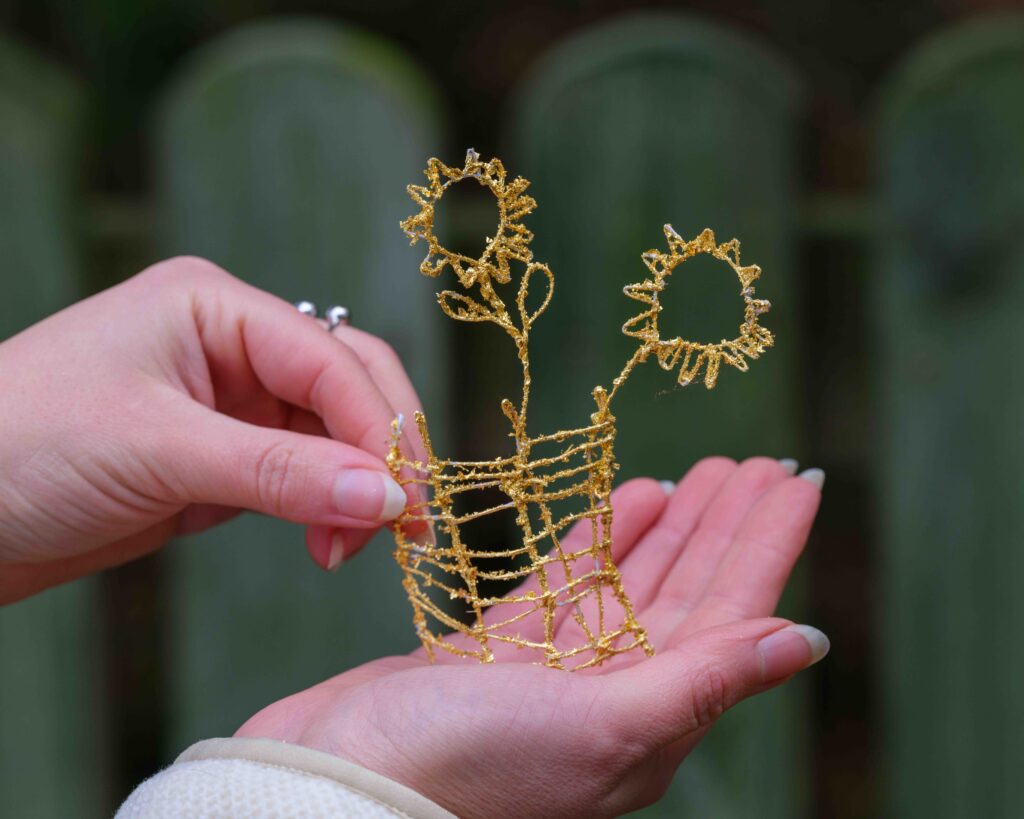
Gate with sunflowers
I have made a sculpture of a gate with sunflowers. It symbolises the beauty and fragility of nature that we must protect. The sunflower always reaches for the light, reminding us that life can only flourish when we live in harmony with the environment. It is important to preserve our parks, which keep us connected with nature, provide a place for rest, and keep the air clean. As an artist, parks are spaces of inspiration for me. During sessions drawing plein air I can capture the colours, natural light, and atmosphere that I could never experience inside a studio.
Meryl
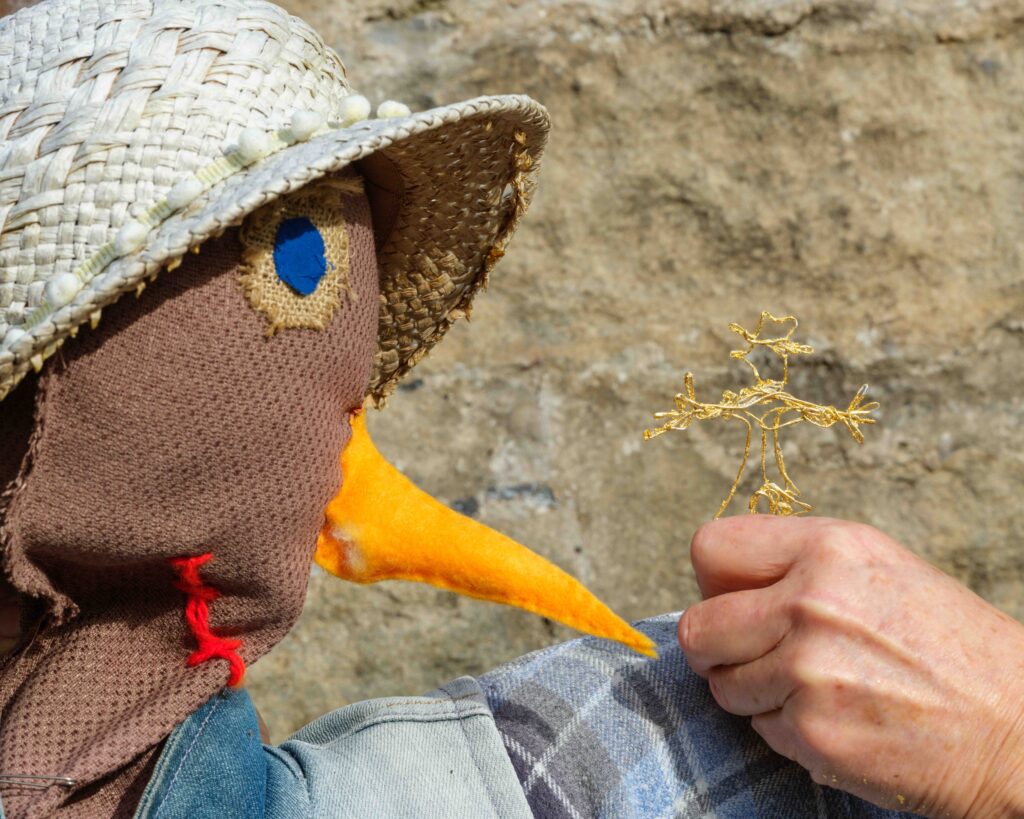
The Wharton Park Scarecrow
My scarecrow represents the volunteers’ area of Wharton Park. The scarecrow’s appearance changes with the calendar, marking events and seasons such as Christmas, Autumn, Halloween, and Lumiere with its clothes. Wharton Park is important to both the people of Durham and tourists as a green space within easy reach of the bus and train stations. From babies and toddlers to elderly visitors and volunteers, there is something to occupy everyone and helping with the gardens is encouraged.
Anonymous
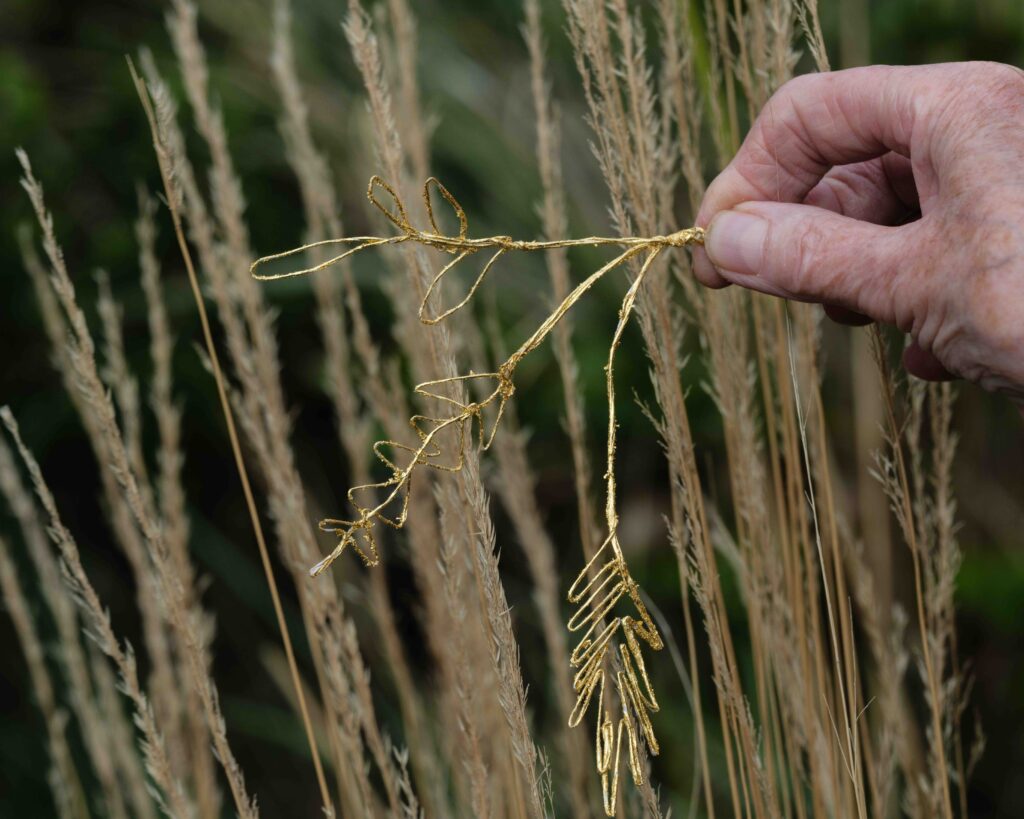
Waving Grasses
My sculpture represents grasses that grow in the park. I love all grasses and all things green!
Grasses look soft and fragile, but are also determined, enjoy being in groups and moving together. One of Mr Wharton’s many legacies; the park has great historical connections and provides the City of Durham with an elevated focal point looking out over magnificent views.
It is a windswept park and when the wind blows you can hear the grasses move. Wharton Park is precious for its biodiversity, its hills, and the family joy it brings.
Lee Miller
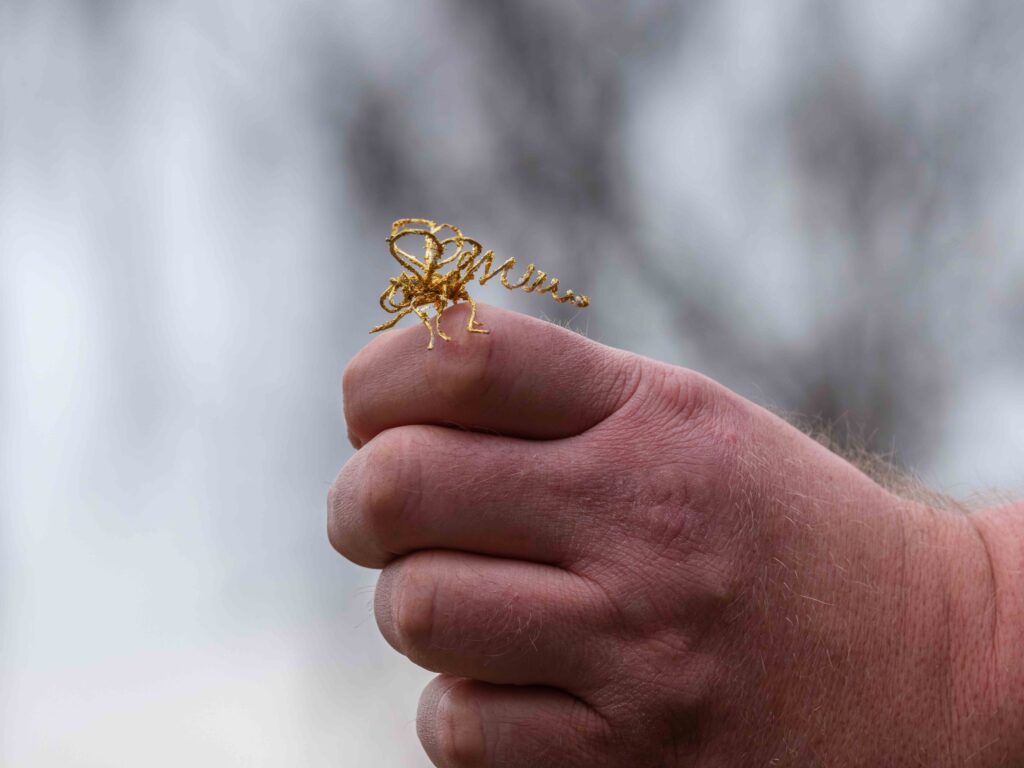
Nomada
Nomada are a species of solitary cuckoo bees found in Wharton Park. They are a parasitic bee and lay their eggs in the nests of mining bees. When the nomada bees eggs hatch, the nomada eat the mining bee’s eggs, larva and the pollen store that the mining bee has collected.
The nomada bee represents the diversity of wildlife found within Wharton Park. The park’s sandy soil is ideal for a variety of species of solitary bees, and the meadows and other plants provide a good food source. Wharton Park is an important green space within the city, offering peace and tranquillity, whilst also providing a range of habitats to a surprising range of wildlife species throughout the park.
Natalie
My Mum thought I was cold
My sculpture is inspired by childhood memories of coming to Wharton Park and being laden with clothes when trying to be free running around the park’s mountainous space. These layers – including a hat and a swimsuit on top of my clothes – would drop off as I ran around.
Parks are important gaps in the city where you can stop and breathe. Up on a hill, Wharton Park offers vistas across the city, giving you views that usually birds are only privileged to and offering a different way of appreciating and connecting with your context, allowing you to piece together a map of the city.
Parks are rejuvenating. Wharton Park makes it easy to take a break from the city when you don’t necessarily know you need to. Everything is always running at such a fast pace, and Wharton Park provides a change of scene and perspective for the eyes and the mind.
Agnes
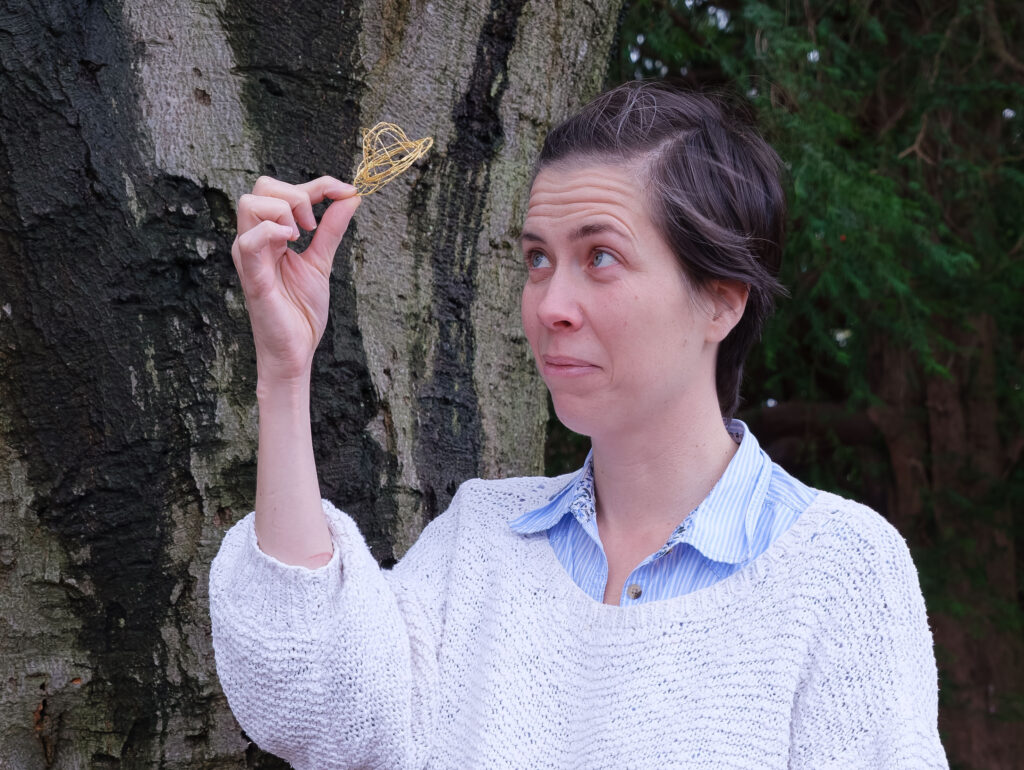
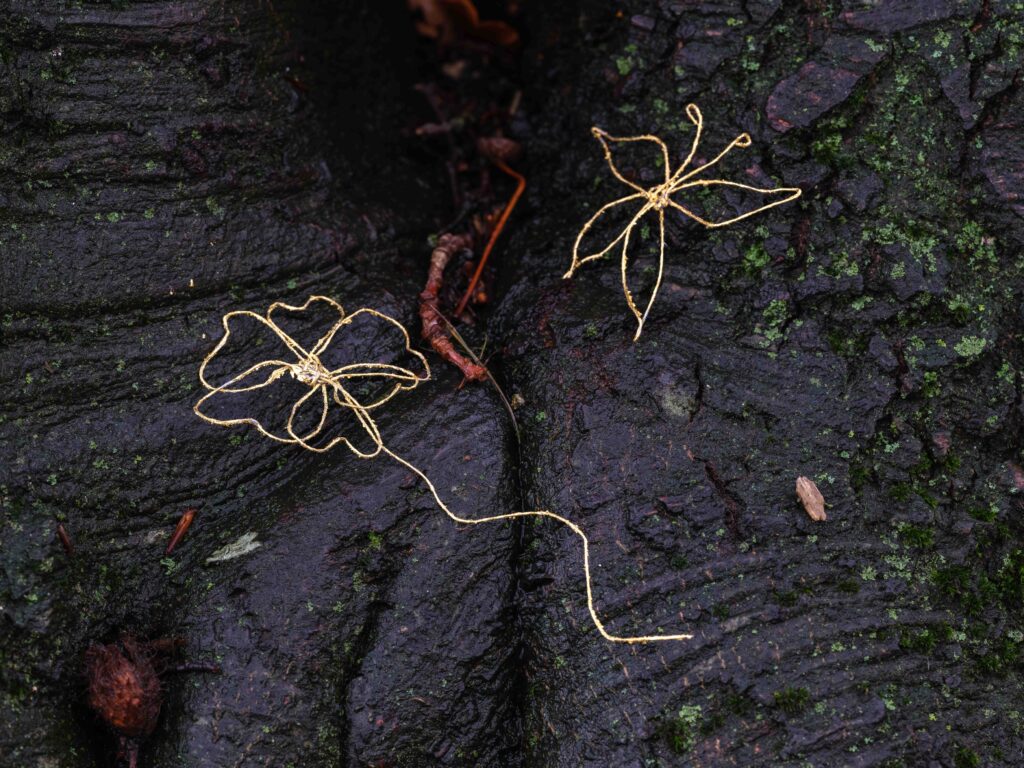
I think I’ve met you before…
Wharton Park is a lovely green space embedded in a city environment, accessible and beneficial to all age groups. My sculptures of the flower and the butterfly represent the continuous interplay of flora and fauna within the park as well as its visual beauty. The park offers calm, tranquillity, and constant wonder. Everyone can find what their soul needs from
nature.
Katy Swainston
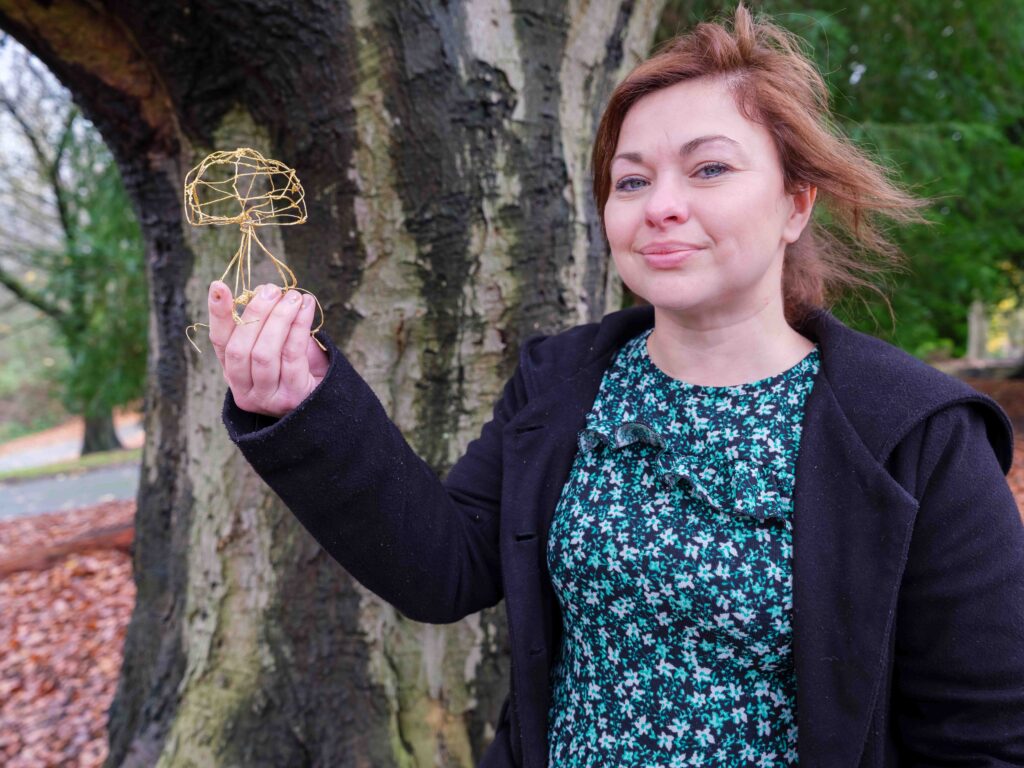
Fungi: A jewel in the park
My sculpture is of a mushroom, like ones I enjoy searching for at Wharton Park. I included some threads of mycelium that connect fungi with the trees and the rest of the park and to represent how the park is full of little things which make it a unique place of biodiversity.
Wharton Park is a central and green spot in a city for peace, play and nature. It makes me happy.
Zara Worth
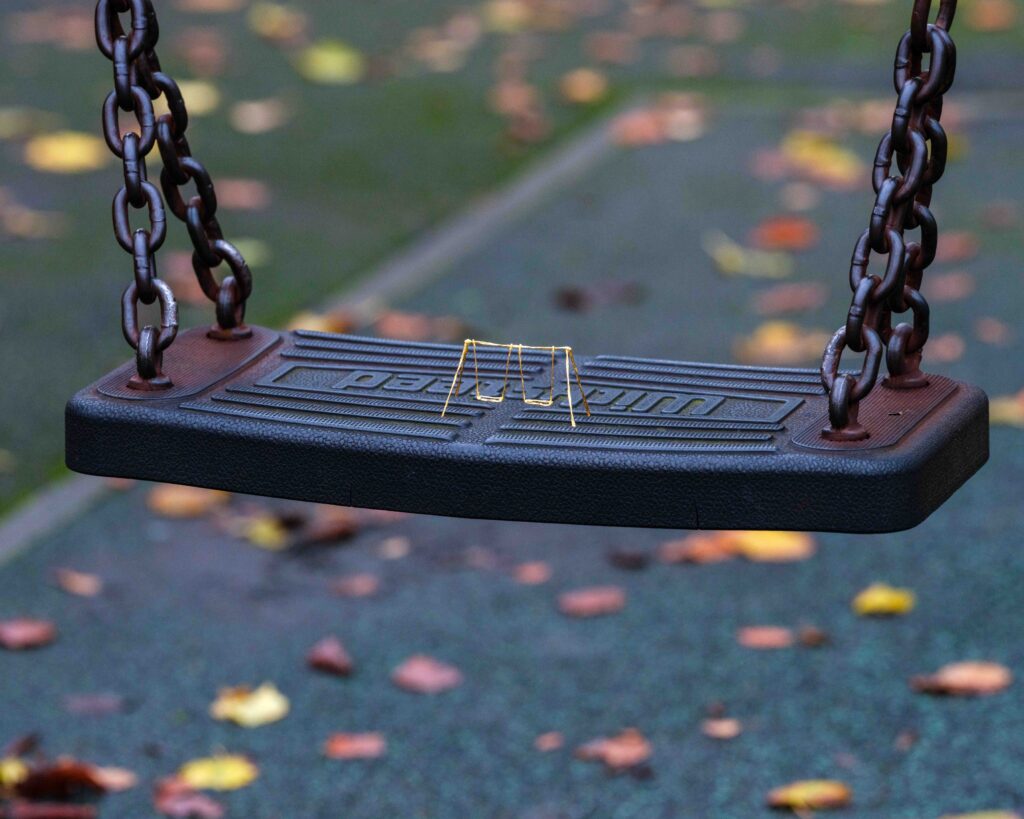
Small Pleasures (Swings)
The swings have always been my favourite part of any park. Play areas always seem incomplete to me if they don’t have a good set of swings. As a child, they were the element of a park that I would make a beeline for and I was very excited when we got a set of swings at home, though they never seemed as good as a set of proper park swings.
As an adult I still feel a magnetic pull towards the swings when I’m in a park, and if it is quiet I will make time to go on them. They are quite good exercise! But more importantly, they keep me feeling connected to my inner child and to the unbridled joy that they offer.